Bhubaneswar: Exploring the Temple City Where Tradition Meets Modernity
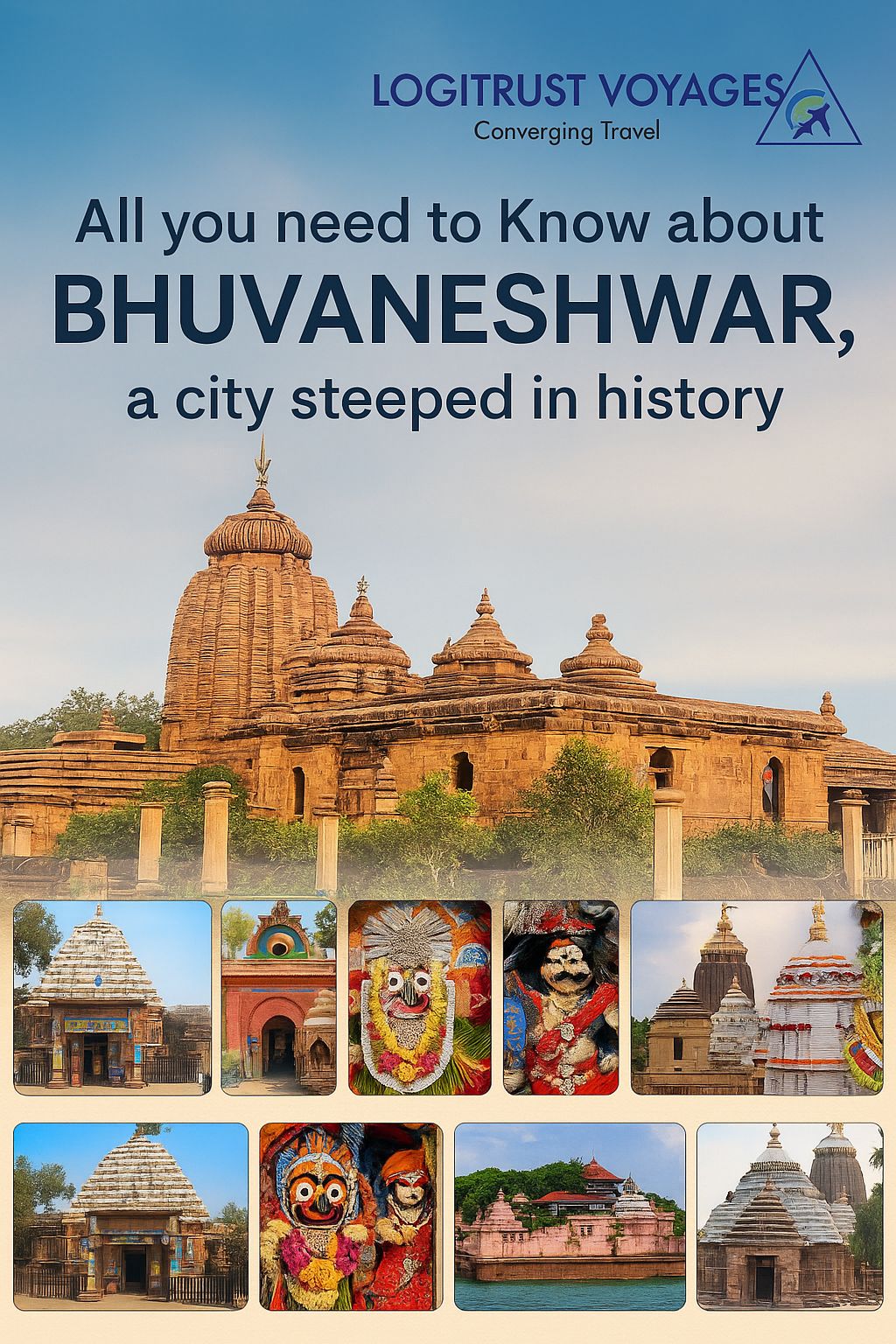
Bhubaneswar, the capital city of Odisha, is a place where time appears to blend effortlessly — where the echoes of ancient rituals resonate beside the hum of IT hubs and wide, tree-lined boulevards. Known as the “Temple City of India,” Bhubaneswar is more than just a gateway to pilgrimage. It is a destination that gracefully balances heritage with progress, history with ambition, and spirituality with sophistication.
A City Steeped in History
The name Bhubaneswar comes from “Tribhubaneswar,” meaning the “Lord of the Three Worlds,” referring to Lord Shiva. The city’s roots date back over 3,000 years, and it has been an important center of Hindu, Buddhist, and Jain traditions. It served as the ancient capital of the Kalinga kingdom and was later developed into a modern city by German architect Otto Königsberger in 1946.
What makes Bhubaneswar particularly fascinating is how its layers of history remain visible. From the 7th-century temples to Buddhist caves and colonial-era structures to ultra-modern buildings, it’s a living museum of India’s architectural journey.
The Spiritual Soul: Temples of Bhubaneswar
No visit to Bhubaneswar is complete without exploring its temples. The city once had over 2,000 temples, and nearly 700 still exist today, earning it the moniker “Mandira Malini Nagari” (City adorned with temples).
Lingaraj Temple: This 11th-century marvel is a fine example of Kalinga-style architecture. Dedicated to Lord Shiva, it stands as a testament to the city’s religious significance. The towering spire, detailed stone carvings, and the sacred Bindusagar lake nearby make it an iconic landmark.

Mukteshwar Temple: Often called the “gem of Odisha architecture,” this small 10th-century temple is renowned for its exquisite torana (arched gateway) and detailed carvings that reflect a synthesis of Jain, Buddhist, and Hindu styles.

Rajarani Temple: Uniquely, this temple does not house any deity but is admired for its sensuous sculptures and elegant sandstone structure. It’s a popular spot for both tourists and heritage lovers.

Besides Hindu temples, the Udayagiri and Khandagiri Caves — a short drive from the city center — offer insight into Jain monastic life. Carved in the 1st century BCE, these caves are adorned with inscriptions, cells, and motifs, making them a rich historical site.
A Rising Urban Star
While Bhubaneswar is rooted in tradition, it is also one of India’s fastest-developing smart cities. Over the past decade, it has evolved into an educational and IT hub, home to institutions like IIT Bhubaneswar, AIIMS, and several software parks.
The city’s infrastructure is thoughtfully laid out — wide roads, clean streets, and green parks give it an organized and calm character. Public transportation is improving with initiatives like the Mo Bus and Mo Cycle programs aimed at eco-friendly commuting.
Culture, Cuisine & Crafts
Bhubaneswar’s cultural life is vibrant and deeply tied to its traditions. Classical Odissi dance performances, tribal art exhibitions, and craft fairs like the Ekamra Walks and Mukteswar Dance Festival showcase the rich cultural heritage of Odisha.
Food lovers will find a delightful array of both vegetarian and non-vegetarian Odia cuisine here. Don’t miss out on:
• Dalma (lentils with vegetables)
• Pakhala Bhata (fermented rice dish, perfect for summer)
• Chhena Poda (burnt cheese dessert)
• And of course, the street food near Ram Mandir and Esplanade Mall.
Handicrafts are another strong point — from pattachitra paintings to silver filigree work, the local markets offer plenty for art lovers and souvenir seekers.
Nature & Nearby Attractions
Bhubaneswar also makes a great base for exploring nearby destinations:
• Nandankanan Zoological Park: Home to white tigers and a botanical garden, this well-maintained zoo offers safaris and an engaging day out, especially for families.
• Dhauli Hill: Just 8 km from the city, this is where Emperor Ashoka is said to have embraced Buddhism after the bloody Kalinga War. The Shanti Stupa (Peace Pagoda) here is serene and symbolic.
• Chilika Lake (about 100 km away): Asia’s largest brackish water lagoon is a paradise for birdwatchers and nature lovers, especially during the migratory season.
• Konark Sun Temple and Puri: A short drive from Bhubaneswar, these destinations complete the “Golden Triangle of Odisha,” ideal for day trips or weekend getaways.
Travel Tips
• Best Time to Visit: October to March, when the weather is pleasant.
• Getting Around: Auto-rickshaws, app-based taxis, and city buses are easily available.
• Language: Odia is the primary language, but Hindi and English are widely understood.
• Stay Options: From budget stays to luxury hotels like Mayfair Lagoon, the city caters to all kinds of travelers.
Bhubaneswar is often overshadowed by its more famous neighbors like Puri or Konark, but that’s precisely what makes it such a hidden gem. It is a city that doesn’t scream for attention but quietly charms every visitor who takes the time to explore its temple-studded lanes, cultural depths, and modern heartbeat. Whether you’re a history buff, spiritual seeker, foodie, or urban explorer — Bhubaneswar welcomes you with open arms and a deeply rooted soul.